
Skip the Highway Sprawl: Why Lexington, Virginia Is the Perfect I-81 Overnight Stop
The Short Version
- Lexington, Virginia sits five minutes off I-81 Exit 188 and is recognized by the National Trust for Historic Preservation as one of the most architecturally intact small cities in the American South.
- Locally owned inns and B&Bs inside the historic center put visitors within walking distance of everything, and locally owned businesses recirculate roughly three times more money into the local economy than chain operations, according to the American Independent Business Alliance.
- Parking once and leaving the keys in the cupholder is the actual travel strategy here — the brick-sidewalk grid between VMI's parade ground and Washington and Lee University is walkable enough that a car becomes unnecessary until morning.
- Driver fatigue is a documented crash-risk factor on long interstate drives, and the AAA Foundation for Traffic Safety is clear that genuine overnight breaks — not fuel stops — are the intervention that actually reduces that risk.
- The orange door on the limestone Mountain Massage building on Washington Street wasn't placed there for road-trippers — it's just a working studio in a century-old building that happens to stop people cold, which is exactly what makes it worth stopping for.
I almost didn't exit. That's the thing about I-81 — it pulls you forward with the momentum of everyone else's destination, and Lexington, Virginia sits quietly off Exit 188 like a secret the highway doesn't want you to know about. The signs are modest. The off-ramp doesn't promise anything. And if you're like me, you've probably blown past it three times already, convinced that stopping would cost you something. It won't. In fact, skipping the highway sprawl for one night in Lexington, Virginia might be the best road trip decision you make this year — which, given that I once considered a gas station roller hot dog a "solid lunch," is saying something.
What's waiting five minutes off the interstate isn't a manufactured tourist experience or a Main Street revival project held together with grant money and wishful thinking. It's a real town, doing real things, that happens to be extraordinarily beautiful and genuinely welcoming to anyone willing to pull off and pay attention.
What Makes Lexington Worth Pulling Off the Highway

What Makes Lexington Worth Pulling Off the Highway
There's a specific kind of fatigue that sets in around hour four of an I-81 drive — the exits start to blur into the same rotating cast of chain hotels, fast food clusters, and fuel stations arranged around parking lots that seem to exist only to make you feel slightly worse about your life choices. Then there's the Lexington Virginia historic downtown, and it is categorically, almost rudely, different.
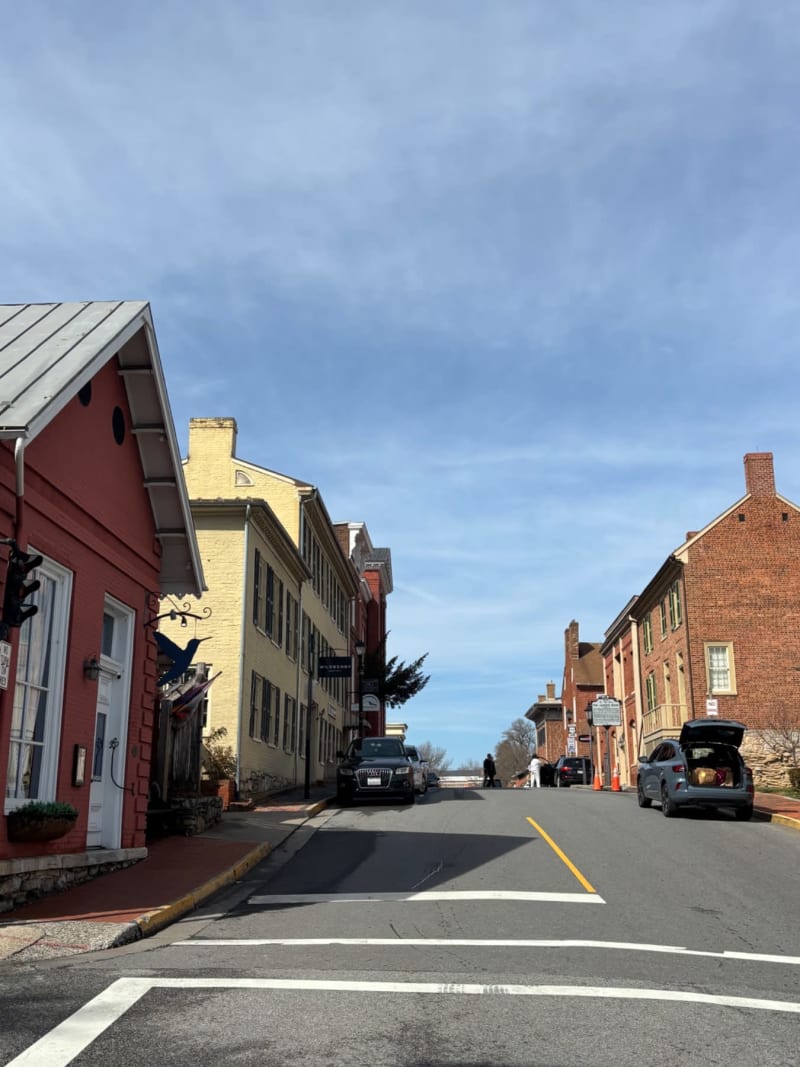
Within a few blocks of parking your car, you're walking on brick sidewalks past stone buildings that have been standing since before the concept of a "highway exit" existed. The architectural density here is remarkable — and I mean that in the most literal sense, not the travel-writer sense. Colonial and Federal-era structures crowd against each other in a way that feels genuinely organic, like the town grew up rather than out. VMI's parade ground sits at one end, Washington and Lee University at the other, and between them a working, breathing community of students, faculty, residents, shop owners, and the occasional bewildered road-tripper who almost didn't exit.

This isn't a town dressed up as history for your benefit. It's a town that is history, still in active use. According to the National Trust for Historic Preservation, Lexington is one of the most architecturally intact small cities in the American South — and you feel that the moment you step out of your car. The gifts are visible before you even start looking for them.
What would it feel like to trade a TGI Fridays parking lot for a town square with actual character? That's not a rhetorical question. It's an invitation.
The Stone Buildings That Stopped Me in My Tracks
The Stone Buildings That Stopped Me in My Tracks
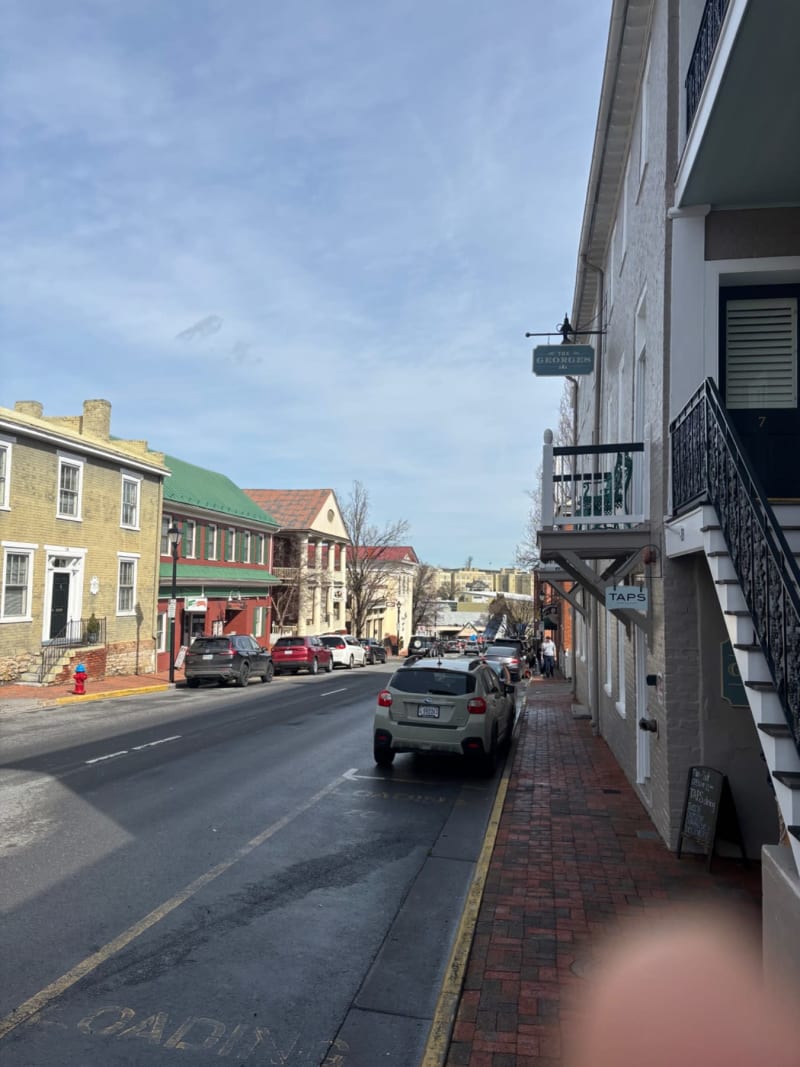
I'm not someone who stops to photograph buildings. I'm someone who says he's going to stop, drives past, thinks "I'll catch it on the way back," and then doesn't. So when the Mountain Massage building on Washington Street stopped me cold, I took that seriously.
The building is everything the rest of I-81 is not: rough-cut limestone walls that have been absorbing light for over a century, a low metal roof, a broad porch with chairs set out like an invitation, and — the detail that got me — a bright orange door. Not orange like a marketing decision. Orange like someone simply loved that color and put it there and didn't ask permission from a brand guidelines document. The historic stone buildings of the Shenandoah Valley have a particular quality in overcast light — the texture becomes almost tactile, the weight of the stone readable from across the street, the whole structure sitting in its landscape like it grew there rather than was built there.
What made me stop wasn't just the beauty of it. It was that the building is working. Not a museum. Not a monument. A functioning massage studio, which — if I'm being honest — immediately made me wish I'd planned to stay two nights instead of one. The stone wall runs along the brick sidewalk; mature trees overhang the porch; the light that afternoon was the particular gray of a mid-October sky that makes everything feel slightly cinematic and a little melancholy in the best possible way.
This is what the Block lens would call a gift the town didn't manufacture for you. The Mountain Massage building wasn't put there to charm road-trippers. It's just doing its job, belonging to its place, being exactly what it has always been. The fact that it happens to be one of the most photographable buildings in the Shenandoah Valley is, I think, incidental to the town.
How to Spend One Night (and Why You'll Want Two)
How to Spend One Night (and Why You'll Want Two)
Here's the loose Lexington Virginia overnight stop itinerary that actually works: arrive by late afternoon, park once and don't touch your car again until morning.
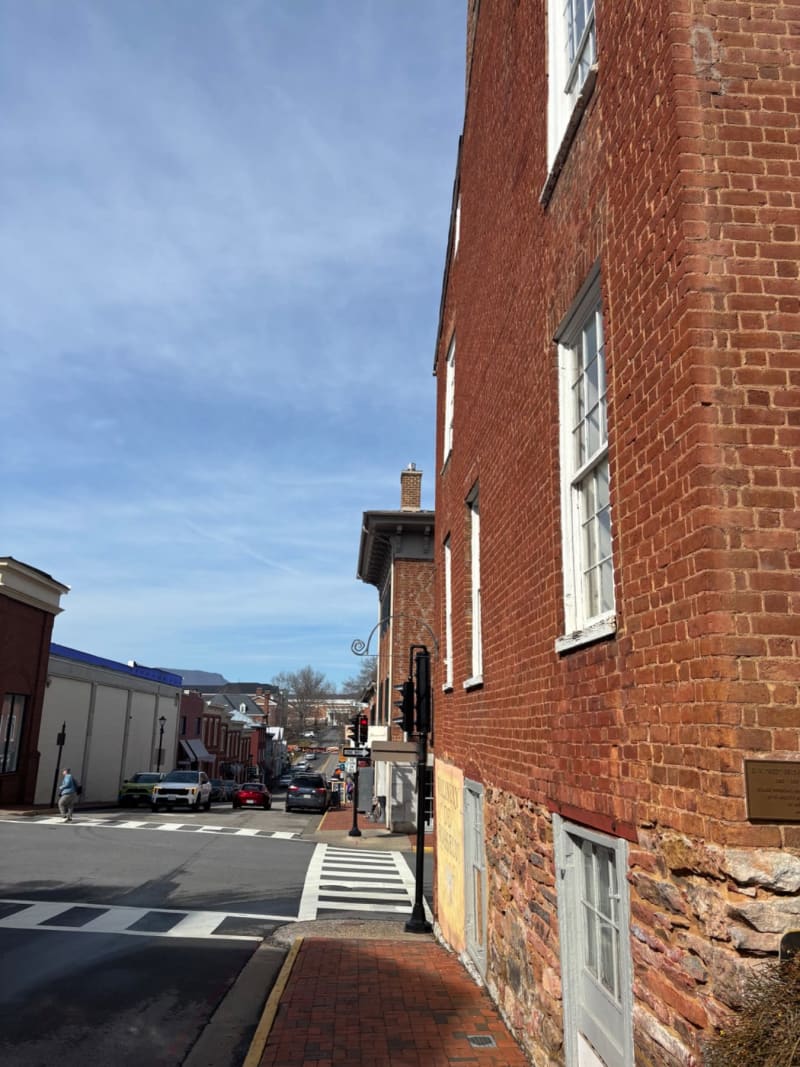
From the moment you step out, you have an obvious anchor point for a walk — the stretch of Washington Street near the Mountain Massage building gives you stone walls, brick sidewalks, and a general feeling of yes, this that will recalibrate whatever the highway did to your nervous system. Walk north toward downtown, cut through the blocks near Nelson Street, wander toward the VMI parade ground if there's still light. None of this requires a map. It requires only the willingness to be slightly lost in a town that is walkable enough to guarantee you'll find your way back.
One night is enough to feel it. Two nights lets you actually belong to the place for a moment — slow mornings with local coffee, an afternoon without an itinerary, the particular pleasure of eating dinner somewhere not because it's efficient but because someone recommended it. Research on the psychological benefits of genuine rest stops on long drives is consistent: a real overnight — in a real place, with real disengagement from the car — measurably restores attention and reduces fatigue far more effectively than a fuel-and-go. The American Academy of Sleep Medicine recommends full sleep cycles during long road trips rather than abbreviated rest stops (https://aasm.org). Which is my scientific justification for ordering dessert.
There's a different quality to waking up in a town rather than a parking lot. You're not a visitor passing through. You're a temporary resident. That's a different relationship with a place — and Lexington is generous enough to offer it for the price of one exit.
Where to Stay: Skip the Chain, Sleep in the Village
Where to Stay: Skip the Chain, Sleep in the Village
I'll be direct: the highway-adjacent chain hotels off Exit 188 exist, and they are fine, and I strongly encourage you to consider them only if you've already made your peace with experiencing Lexington entirely through a windshield.
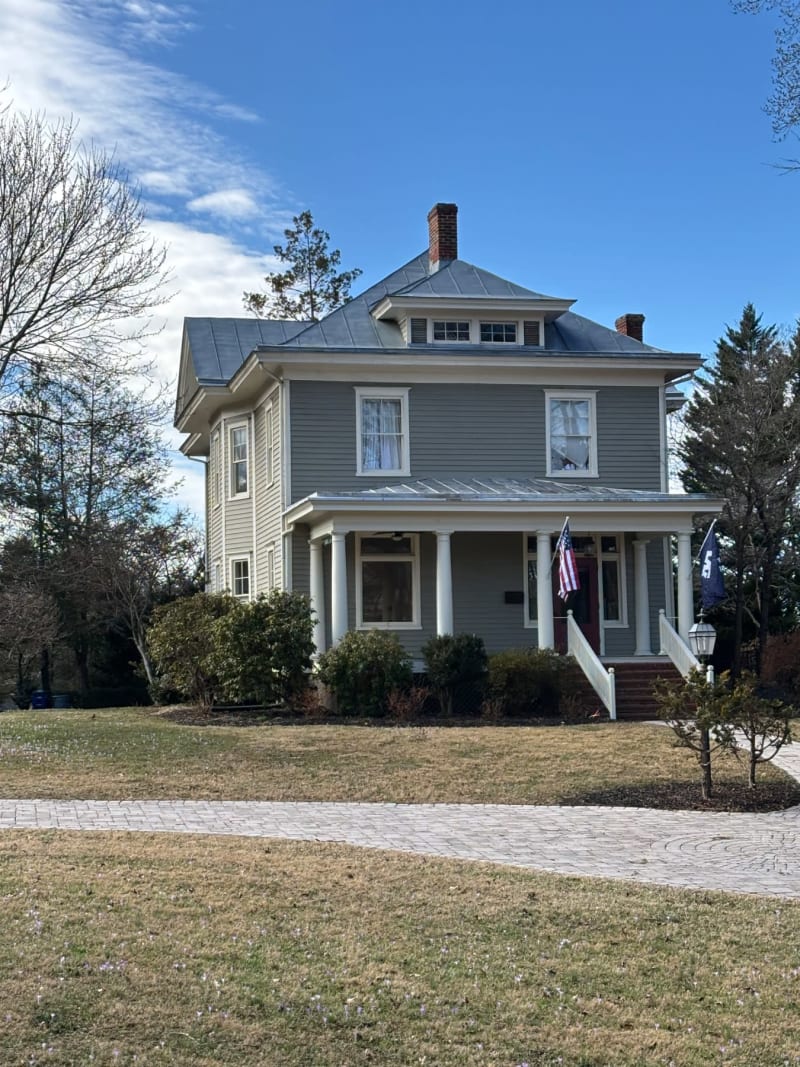
To find where to stay in Lexington Virginia that actually connects you to the place, look within the historic center — historic inns, B&Bs, and small independent properties that put you within walking distance of everything worth doing. Several operate out of restored 19th-century buildings, which means your lodging itself is part of the experience rather than a neutral container for sleep. When you're parked once and can walk to dinner, breakfast, and the morning's wandering, you discover something that highway travel tends to obscure: you don't actually need your car most of the time. You just use it because it's there.
There's also a values argument here that I think matters. Choosing a locally owned inn puts money into the community that uses it — into the owners who live there, the staff who grew up there, the supply chains that feed back into a local economy. According to the American Independent Business Alliance, locally owned businesses recirculate roughly 3x more money into the local economy than chain operations (https://www.amiba.net). You're not just sleeping somewhere — you're briefly participating in a place. That's a different thing entirely, and Lexington makes it easy.
Eating and Drinking in a Town That Cooks for Itself
Eating and Drinking in a Town That Cooks for Itself
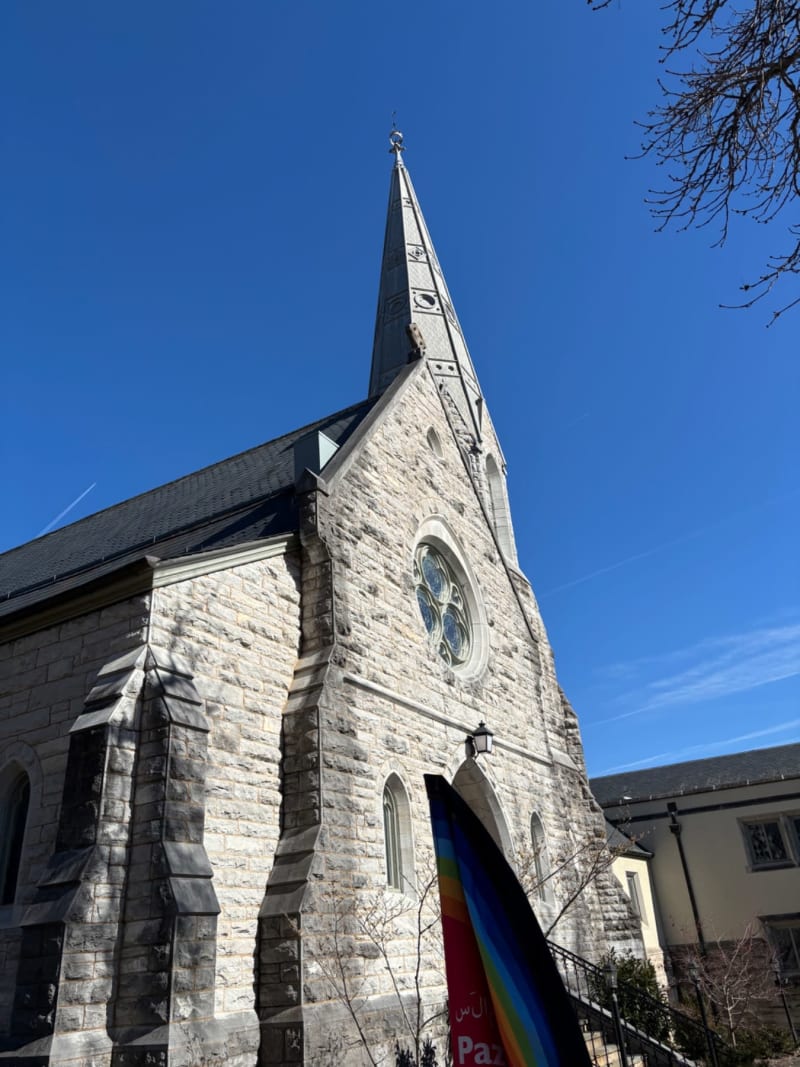
One of the quiet pleasures of a college town that predates the concept of "curated dining experiences" is that the restaurants mostly cook for the people who live there. The Lexington Virginia restaurants and local dining scene operates on the logic of students, faculty, and residents who need good food at reasonable prices on a regular basis — which means it's honest in a way that tourist-forward towns sometimes aren't.
You won't find a lot of places trying too hard here. You will find independent restaurants and local cafes that serve actual food, made by people who have to face their regular customers the next morning. That accountability produces a particular kind of quality that no franchise manual can replicate.
The best intelligence I can offer: ask someone local where they eat. Ask the person at your inn's front desk. Ask the person behind you in the coffee line. The college-town dynamic means there are always hidden gems operating slightly below the visible surface — the lunch spot that only locals know about, the cafe that's been there for twenty years and doesn't need to advertise. Food is one of the fastest routes to belonging somewhere, and eating where residents eat is less a dining strategy than an act of connection.
The Practical Stuff: Getting There, Getting Around, Getting Back on I-81

The Practical Stuff: Getting There, Getting Around, Getting Back on I-81
Exit 188 off I-81. That's the whole secret.
From the interstate, Lexington's historic center is about five minutes. Parking is available in the downtown area — there's a public lot near the center of town that handles most visitor needs — and once you've parked, the I-81 exit Lexington Virginia travel tip that actually matters is this: leave your keys in the cupholder. The town is genuinely walkable in a way that is, frankly, rarer than it should be in small-town America. Distances that look like driving distances on a map are actually pleasant walking distances on brick sidewalks under old trees.
The hesitation I understand is the time calculation. Pulling off adds real minutes to your trip — accounting for the exit, the drive in, the parking, you're looking at perhaps 45 minutes round-trip before you've done anything at all. Here's my counter-argument: the mental reset of a real stop, a real walk, a real meal, and a real night of sleep in an actual place is worth more than 45 minutes of highway momentum toward somewhere you'll arrive at slightly more depleted. Studies from the AAA Foundation for Traffic Safety consistently show that driver fatigue is a significant factor in crash risk on long interstate drives, and genuine breaks — not fuel stops — are the intervention that actually helps (https://aaafoundation.org).
Seasonally: late fall and winter bring a moody, quiet version of Lexington that I find particularly compelling — the stone buildings read even heavier against gray skies, the streets are unhurried, and the town feels like it belongs to itself. Summer brings more activity, more students, more open-air energy. Both are worth your time.
The highway will still be there in the morning. It's not going anywhere.
Lexington, Virginia doesn't advertise itself loudly — it just waits at Exit 188, full of stone walls and orange doors and the particular quiet of a town that knows what it is. If you're reading this, you're already the kind of traveler who suspects the best stops aren't on billboards. You're right. Skipping the highway sprawl for one night in Lexington, Virginia isn't a detour from your trip — it might be the part you actually remember. Next time I-81 starts to blur into a ribbon of sameness, I hope you'll take the exit. The town is there, doing its thing, waiting for you to show up and belong to it for a little while.
Content ID: Re9CNh9F9TKbfbjFyZJrENC1
See an error? Tell us.


Comments
Share with the Community