
Beyond the Tasting Room: Wellness Travel in the Finger Lakes
The Short Version
- Wellness tourism is the fastest-growing travel category in 2026 — and the Finger Lakes is one of the most quietly well-positioned destinations to receive that traveler.
- The FLX Well-Being Passport connects yoga, forest bathing, farm stays, spa treatments, and lake activities into a single passport-style program across the region.
- 59% of travelers now take solo trips with wellness as the primary motivation, replacing the weeklong beach vacation with 1-3 night restorative escapes closer to home.
- Vineyards are adding morning yoga and estate nature walks in response to a wine club retention crisis — the wine is still central, but it's no longer enough on its own.
- Slowing down in a familiar destination turns out to be more radical than going somewhere new — the Finger Lakes wellness layer gives repeat visitors permission to actually inhabit a place rather than pass through it.
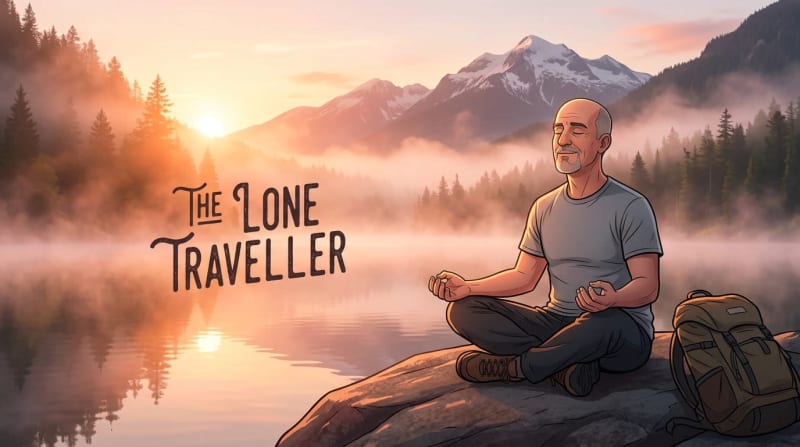
Seven a.m. on the eastern shore of Seneca Lake. An instructor is unrolling yoga mats between two rows of trellised vines while the morning fog still sits on the water below. Guests arrive with travel mugs, unhurried, not yet thinking about tasting notes or flight comparisons. Just breathing. That scene — repeated at a growing number of Finger Lakes vineyards — is not an accident. It is a deliberate program. And finger lakes wellness travel, still mostly whispered about, is one of the quieter stories in regional tourism right now.
The Finger Lakes has spent thirty years building one of the most compelling wine trails in North America. What's happening in 2026 is something different: a wellness layer is being built on top of that infrastructure. Yoga at vineyards. Forest bathing in the gorges. Farm stays oriented around restoration rather than activity. And a passport program — the FLX Well-Being Passport — that ties it all together into something coherent and findable.
Why Wellness Travel Is the Biggest Shift in 2026
Why Wellness Travel Is the Biggest Shift in 2026
The dominant travel story of 2026 is not about going farther. It is about coming home feeling better.
According to travel trend research published in 2026, travelers are moving away from high-stimulation adventure and toward restoration-oriented outdoor experiences — quieter parks, less-crowded destinations, landscapes that ask nothing of you but your attention. 59% of travelers now take solo trips, with wellness — not adventure — as the primary motivation. The short escape has become a cultural fixture: one to three nights, close enough to home that logistics don't swallow the restoration.
This shift runs alongside a much larger structural trend in global travel. According to the Global Wellness Institute, wellness tourism stood at $720 billion in 2019, fell sharply during the pandemic years, then recovered and accelerated — reaching $814 billion in 2022 and projected to hit $1.4 trillion by 2027. What was once a niche market for spa resorts and meditation retreats is now reshaping how people think about any trip.
The Finger Lakes fits this moment almost precisely. Eleven glacier-cut lakes, more than 150 wineries, gorge trails that stop you mid-step, and a food culture that has been quietly serious for years. It is not a destination that shouts. That used to read as a marketing challenge. In 2026, it reads as a competitive advantage.
The FLX Well-Being Passport: What It Is and How It Works

The FLX Well-Being Passport: What It Is and How It Works
The FLX Well-Being Passport is a passport-style program administered through Visit Finger Lakes, the region's official tourism body. You collect stamps — physical or digital — across wellness experiences organized into categories: yoga and movement, hiking and nature immersion, spa and rest, farm visits and nourishment, meditation and mindfulness, lake activities. The goal is to move through the region intentionally, building a trip around restoration rather than around a winery checklist.
The categories covered are broad enough to accommodate almost any definition of wellness:
- Movement: yoga sessions at vineyards, cycling routes, kayaking, guided estate walks
- Nature immersion: gorge trails, forest bathing, sunrise and sunset programs near the lakes
- Mindfulness: guided meditation, sound baths, silent walks in the state parks
- Nourishment: farm-to-table dinners, farm tours, cooking classes with estate produce
- Rest: spa treatments, thermal soaks, restorative wine pairings
What the passport does that the wine trail alone doesn't: it gives you permission to plan a trip around what you actually need rather than what there is. The wine trail is a menu. The passport is closer to a prescription. What kind of restored do you want to feel on Sunday afternoon? Build backward from that.
You can pick up a physical passport at any of the Finger Lakes Welcome Centers, or download the digital version through the Visit Finger Lakes website. Most experiences are self-bookable — the passport is the thread that connects them, not the ticket that unlocks them.
Vineyard Wellness: Yoga, Forest Bathing, and Farm Stays

Vineyard Wellness: Yoga, Forest Bathing, and Farm Stays
The most striking development in the Finger Lakes wellness picture is happening at the vineyards themselves.
The tasting room model that built this region — arrive, taste, buy, leave — is under significant pressure across the wine industry. According to Wine Industry Advisor, the wine club retention crisis is pushing producers to offer programming that gives members and visitors a reason to return that goes beyond the wine itself: morning yoga, estate nature walks, cooking classes using fruit and produce grown on the property. The wines are still central. They are no longer sufficient on their own.
Morning yoga sessions at Seneca Lake vineyards typically run from 7 to 9 a.m., starting before the tasting room opens. You get the estate to yourself — just the mats, the morning mist, and the lake below. Most sessions close with a short walk through the vine rows. Practicing outdoors with the lake visible and the vines on either side is a different experience from a studio class in ways that are immediately apparent and hard to fully describe before you've done it.
Forest bathing — the Japanese practice of shinrin-yoku, meditative immersion in natural settings — has found a natural home near Watkins Glen and Taughannock Falls, where the gorge trails already function as de facto restorative spaces for visitors willing to slow down enough to let them work. Research published through the International Society of Nature and Forest Medicine documents measurable physiological benefits from structured forest immersion, including reductions in cortisol, blood pressure, and sympathetic nervous system activation.
Farm stays add a third dimension to the wellness picture. Several farms in the Finger Lakes have added overnight accommodations paired with structured morning experiences — farm chores at dawn, farm-to-table breakfasts, guided afternoon walks through working fields. These are not glamping situations. They are slow-immersion experiences that restore a sense of scale and seasonal rhythm that most of us have quietly lost.
What you find on these vineyard lawns and in these gorges has always been true of the Finger Lakes. The land here has been doing its work for a long time — growing grapes, holding water, marking seasons. What's new is the invitation to let it work on you, too. The wellness programming didn't create the restorative quality of the place. It named it, packaged it just enough to be findable, and stepped back.
A Sample Wellness Weekend Itinerary

A Sample Wellness Weekend Itinerary
Three days is the right unit for this kind of trip. Here is how a Finger Lakes wellness weekend actually looks when built intentionally.
Friday — Arrival and Decompression
Drive in before dinner. A base on the western shore of Seneca Lake or the southern tip of Cayuga Lake puts you within easy reach of most passport experiences and the key gorge trails. Take the golden-hour walk before dinner — the light on Seneca Lake at 6 p.m. in late September is the kind that stops you mid-step. Dinner at a farm-to-table restaurant with genuine local sourcing. The Finger Lakes food scene has grown serious. Eat slowly, and plan to be asleep at a reasonable hour.
Saturday — The Full Day
Morning yoga at a vineyard (book at least a week ahead — these sessions fill). Most programs run 7 to 9 a.m. and include a short estate walk before the tasting room opens. Breakfast lakeside after. Midday: one tasting at one winery chosen ahead of time. Not three wineries — one. The difference between a tasting that stays with you and one that blurs is almost entirely pacing. Afternoon: rent a kayak at one of the public launches on Cayuga or Seneca and paddle toward nothing in particular. Evening: a farmers market in Ithaca or Watkins Glen if timing permits, then dinner where the day takes you.
Sunday — Slow Exit
A morning spa treatment — Watkins Glen has a small thermal experience worth the hour. Then a gorge walk on whichever trail you haven't done yet. Two or three bottles to bring home from the winery that meant something on Saturday. Drive back without rushing.
This itinerary is not packed. That is not a flaw — that is the design.
What Makes This Different From a Regular Wine Weekend

What Makes This Different From a Regular Wine Weekend
There is a version of the Finger Lakes that you consume. You move through six tastings in a day, collect notes, eat at a full restaurant, leave with a case of wine and a pleasant blur. Nothing wrong with it. It is a different trip entirely.
The difference is not the places. It is the pace, and beneath the pace, the intention.
The wellness layer being built here gives you a structure — or perhaps just permission — to slow down in a region you may already know. And slowing down in a familiar place turns out to be more radical than going somewhere new. New destinations keep you busy. They demand constant navigation and constant attention. A familiar place revisited with a different intention asks something harder: to actually be present in it, rather than passing through.
Repeat visitors to the Finger Lakes describe something that first-timers rarely name: the feeling of a place beginning to belong to them. They know which stretch of lake lights up at dawn. They know the quiet bench at the vineyard that nobody sits on. They come back not to collect more experiences but to inhabit ones they already recognize.
The passport and the wellness programs accelerate this. Vineyard yoga practiced twice makes the third time feel like a homecoming. A forest bathing walk in the same gorge, different seasons, becomes a relationship with a place rather than a box checked. According to the 2026 travel research, the short wellness escape is now the fastest-growing trip category — and the Finger Lakes is one of the most quietly well-positioned destinations to receive that traveler.
What would it mean to plan a trip around what restores you rather than what entertains you? What would this weekend look like if you let the Finger Lakes do its work on you instead of moving through it as fast as you comfortably can?
The only way to find out is to show up slowly, and stay.
Content ID: yEeruegs0sXgeAm1EGjIl0ob
See an error? Tell us.

Comments
Share with the Community